
AI search engines now process hundreds of millions of queries a day across ChatGPT, Perplexity, Gemini, and Google AI Overviews, and in 2026 each platform has developed genuinely different citation behavior — an analysis of 680 million citations found that only 11% of domains are cited by both ChatGPT and Perplexity.
Traditional SEO strategies still fail to capture the growing number of users who prefer conversational AI interfaces over scrolling through search results, and the gap between platforms has only widened since last year.
Companies must adopt Generative Engine Optimization (GEO) — now built platform by platform, not as a single blanket strategy — to ensure their content gets cited by AI systems rather than simply ranking on Google.
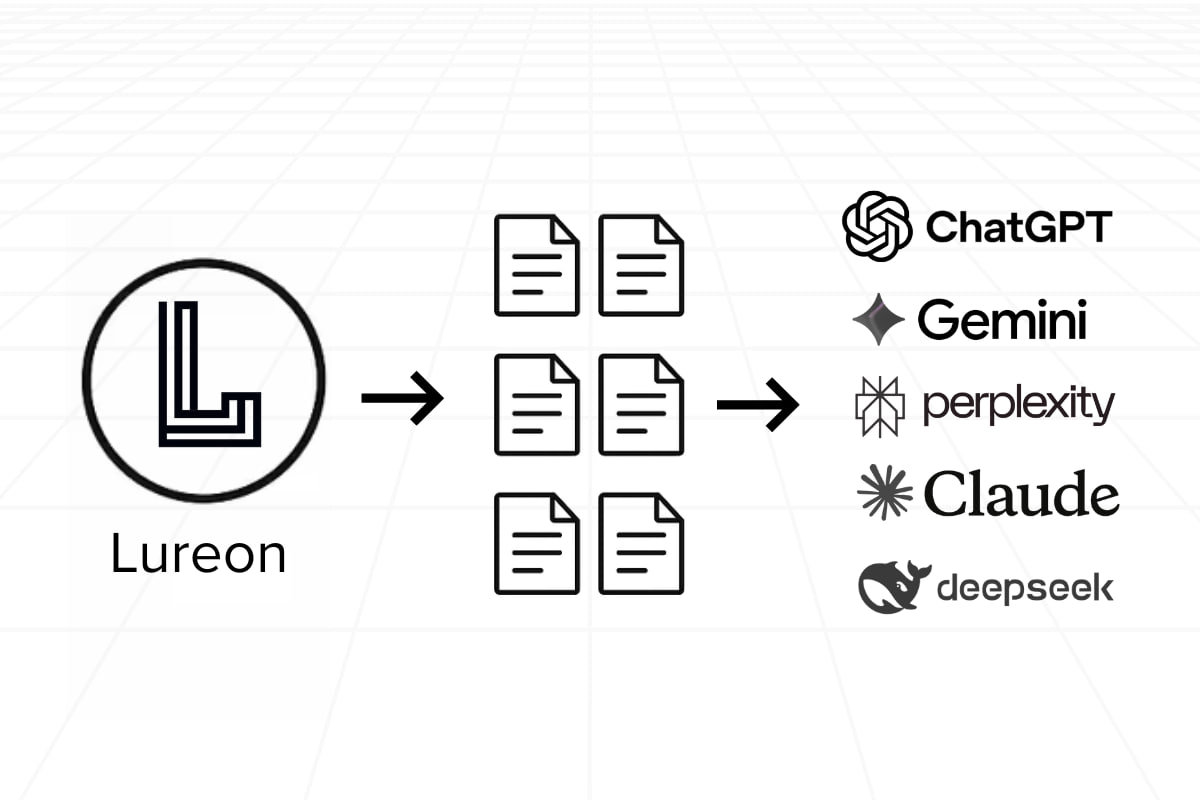
That's exactly what we at Lureon are specialized at, and here is how we do it in 2026.
Key Takeaways
- Google AI Overviews now appear in roughly 50% of all searches, and pages cited inside them earn 35% more organic clicks than non-cited competitors on the same results page.
- Citation behavior varies dramatically by platform: Perplexity averages roughly 21.9 citations per response, more than double ChatGPT's ~10, while Claude and Copilot cite far fewer sources per answer.
- Content freshness is now a hard citation lever: material updated within the last 30 days earns roughly 3.2x more AI citations across platforms, and Perplexity cites 30-day-old content at an 82% rate versus 37% for older material.
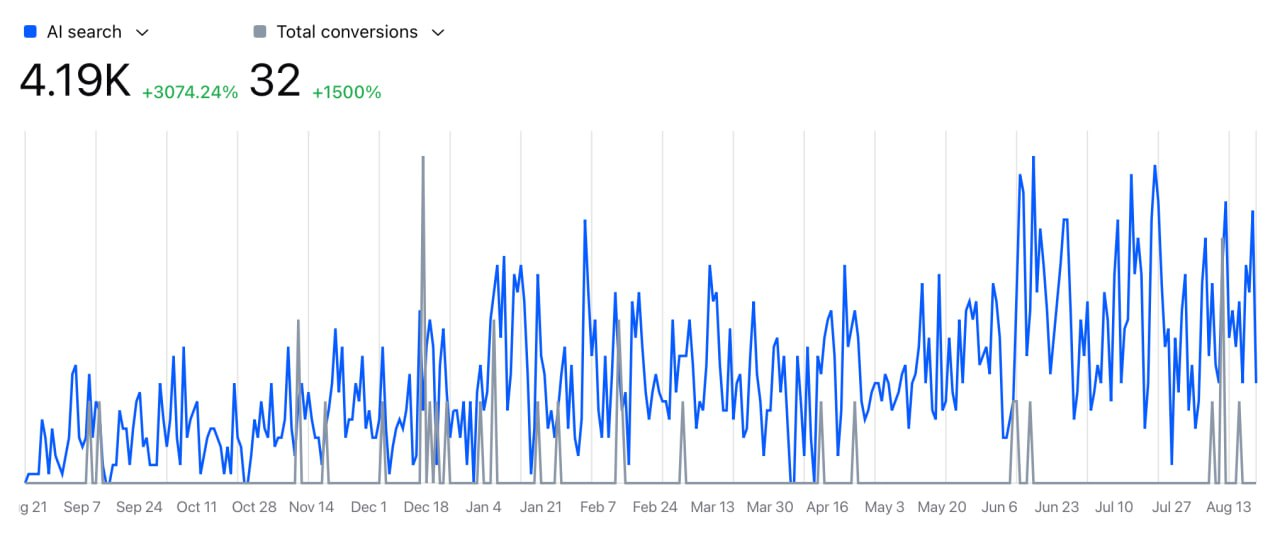
- AI traffic converts dramatically better than organic: ChatGPT-referred sessions convert at 15.9%, Perplexity at 10.5%, Claude at 5.0%, versus 1.76% for Google organic.
- Only 11% of domains are cited by both ChatGPT and Perplexity — meaning a single, one-size-fits-all GEO strategy now leaves most of the opportunity on the table.
Understanding AI Overviews: The New Search Paradigm
What Are AI Overviews and How Do They Work?
AI Overviews and their equivalents across ChatGPT, Perplexity, Claude, and Gemini represent a fundamental shift in how information reaches users. Instead of a list of links, these systems synthesize information from multiple sources into a direct, generated answer inside the search or chat interface.
At Lureon, we've built our entire optimization framework around these platform-specific behaviors, creating hybrid optimization strategies that maximize visibility across both traditional search and every major AI platform simultaneously.
These systems analyze content using Large Language Models (LLMs) that understand context and relationships between concepts rather than just matching keywords — and in 2026, each one weighs those relationships differently enough that optimizing for one platform doesn't guarantee visibility on another.
When someone asks about "budget laptops for students," AI understands they need affordable options specifically suited for academic work, not just any product tagged "budget." Our approach at Lureon involves studying exactly how each AI platform processes information and optimizing accordingly, rather than treating "AI search" as a single category.
The Economics of AI-Driven Traffic
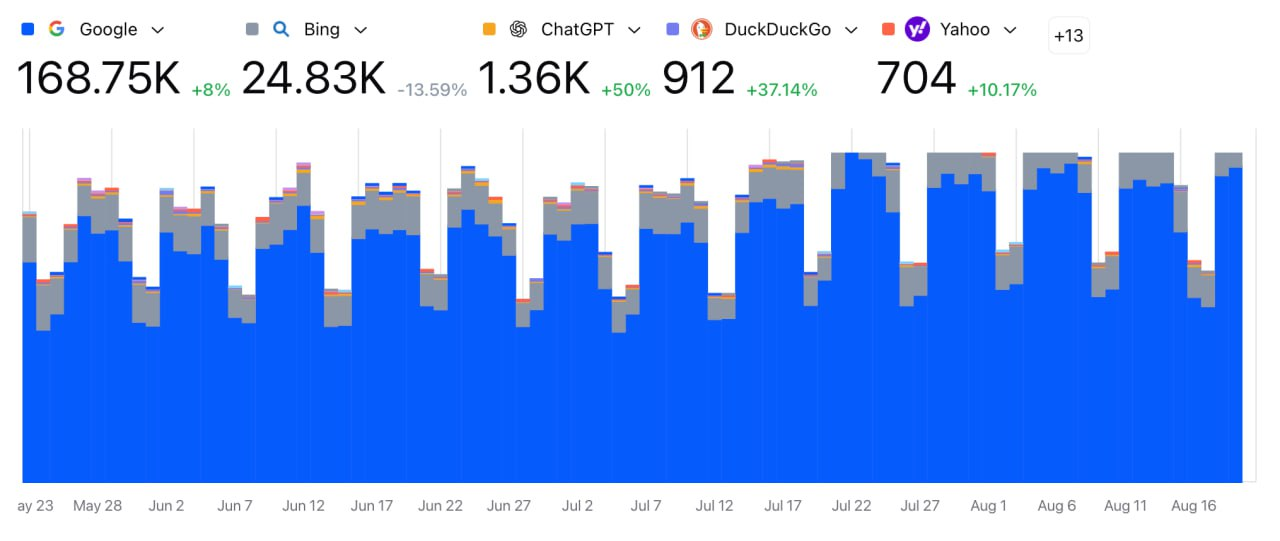
AI referral traffic has scaled sharply since 2025: platforms collectively generated over 1.13 billion referral visits in a single month in mid-2025, up 357% year-over-year, and volume has continued climbing through 2026.
The conversion gap has widened, not narrowed: ChatGPT-referred sessions convert at 15.9%, Perplexity at 10.5%, Claude at 5.0%, and Gemini at 3.0%, compared to just 1.76% for Google organic traffic — and Adobe's 2025 holiday data found AI referrals converting 31–54% higher than other online sources during peak shopping days.
We track these high-value conversions through our integrated analytics at Lureon, connecting AI citations directly to business outcomes and revenue attribution, since standard Google Search Console reporting sees none of this traffic.
High-quality AI traffic continues to show distinct characteristics:
- Higher scroll depth and significantly more time spent on pages than organic visitors
- Meaningfully higher likelihood of conversion
- Longer session times for entity-optimized pages
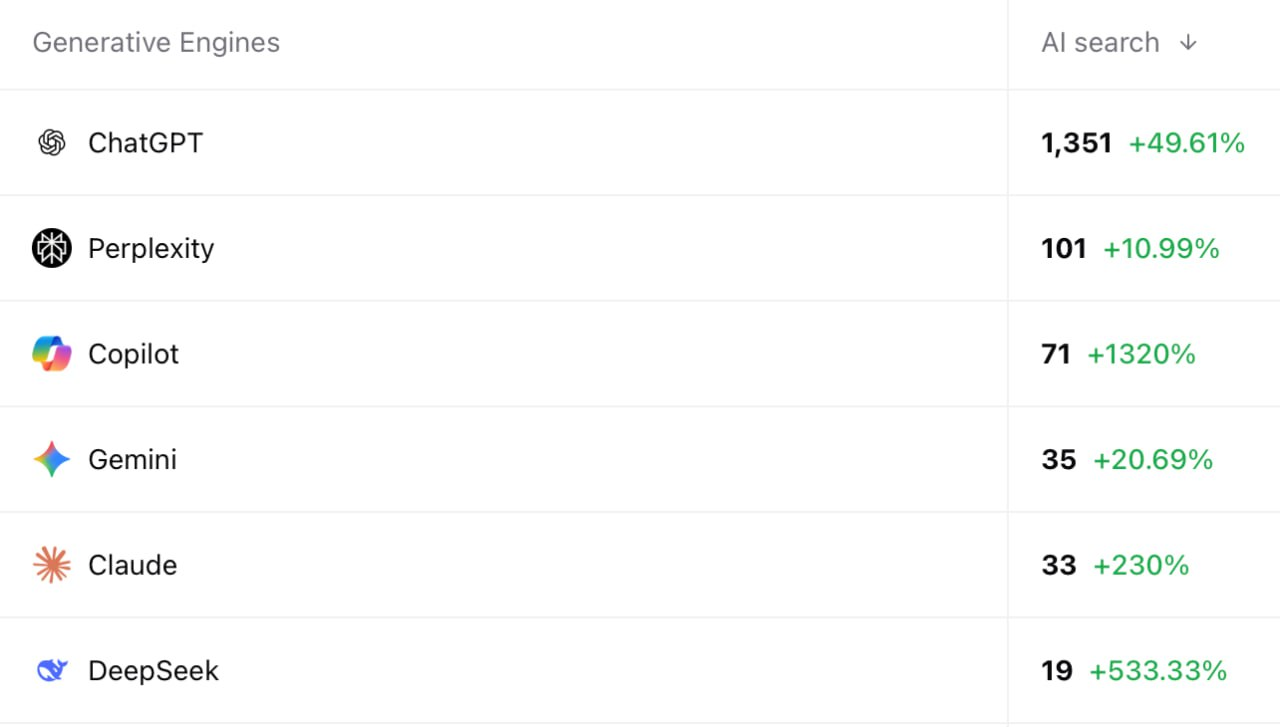
- ChatGPT alone now drives roughly 87.4% of all AI referral traffic across industries, with Gemini around 4.7% and Perplexity around 2.8%
Key Platforms: ChatGPT, Claude, Perplexity, and Google AI in 2026
Each major AI platform now shows genuinely distinct citation behavior, which is why platform-specific optimization has become non-negotiable:
- ChatGPT serves several hundred million weekly active users and averages roughly 8–10 citations per response, drawing heavily on Wikipedia as a knowledge foundation before layering in specialized sources. It prioritizes conversational content that directly answers the user's question.
- Claude continues to favor comprehensive, nuanced responses with clear entity relationships and semantic structure, citing fewer sources per answer but weighting topical depth heavily.
- Perplexity averages roughly 21.9 citations per response, still the highest of any major platform, performs a real-time web search on every query with no knowledge cutoff, and can cite freshly published content within hours.
- Google AI Overviews now appear in roughly 50% of all searches, up sharply from the low double digits in early 2025, and still pull heavily from pages already ranking well organically — though overlap with Google's own AI Mode citations sits at just 13.7%.
We've developed specific formatting techniques for each platform's preference pattern — what increases citations on Perplexity often does little for ChatGPT, and Wikipedia presence that helps enormously on ChatGPT provides minimal direct benefit on Perplexity or Gemini.
Building AI-Recognizable Authority
Entity Optimization vs. Keyword Targeting
Entity optimization remains the biggest departure from traditional SEO, and it matters even more in 2026 as platforms diverge in how they weight topical authority. Instead of targeting keywords, businesses need to build concept networks that AI systems recognize and trust.
Pages with original, cited statistics and research are roughly 3.7x more likely to be cited across platforms — original data remains one of the most reliable universal citation signals we've found.
Our entity mapping technology at Lureon uses advanced natural language processing to understand how AI models perceive your brand and industry concepts, creating visual entity maps that show exactly how different concepts connect inside each platform's understanding.
This still requires identifying core entities in your industry, mapping relationships between concepts, creating semantic connections AI recognizes, and building topical authority around them — but now platform by platform, since a niche-expertise strategy that works on ChatGPT and Perplexity is actively deprioritized by Claude.
Knowledge Graph Integration and Structured Data
Schema markup remains one of the clearest ways to translate content for AI comprehension. We automatically generate and validate markup for maximum compatibility across all AI platforms, creating interconnected schema networks that help AI understand how different pieces of content relate to each other.
Essential schema types remain largely unchanged, but the stakes of getting them right have grown:
- FAQ Schema for direct question-answer formatting
- Local Business Schema, critical for location-based queries
- Article Schema for publication dates and authorship clarity — increasingly important as freshness weighting intensifies
- How To Schema for sequential instructions AI can reference
- Speakable Schema for optimized voice search sections
Pages with proper schema markup remain substantially more likely to be cited in AI-generated responses across every platform we track.
Building Cross-Platform Consistency
AI systems still validate information by checking multiple sources, and cross-platform validation has only become more important as citation behavior fragments. Businesses mentioned consistently across three or more industry publications remain significantly more likely to appear in AI recommendations.
Our authority building service at Lureon handles external mention creation and management, from crafting authentic Reddit responses to securing industry publication placements, while maintaining a network of high-authority platforms where we can establish your presence quickly and credibly.
Content Strategy for AI Overview Inclusion
Answer-First Content Architecture
AI systems still strongly prefer content that provides immediate, direct answers to specific questions. We structure every piece of content at Lureon with AI extraction in mind, using our content generation system built specifically for AI comprehension while maintaining human readability.
The optimal structure hasn't fundamentally changed, but the freshness signal has sharpened: direct answers of 40–50 words at the beginning of sections, comprehensive topic coverage, natural language mirroring how users actually ask questions, and a multi-format approach including text, tables, and lists — with visible year signals like "2026" in titles and headings now improving citation rates by roughly 30%.
Creating Definitive Resources AI Systems Prefer
AI models continue to favor content with unique, first-party data and original insights over recycled summaries. Our content creation process at Lureon still starts with human writing, followed by an AI optimization layer that enhances citation potential without sacrificing the expertise that makes content genuinely valuable.
We conduct original research, compile data that isn't available elsewhere, provide expert analysis and unique perspectives, and update content regularly to maintain freshness — now a stronger citation lever than at any point since GEO emerged as a discipline.
Update Frequency and Content Freshness
Content freshness has become one of the single strongest citation levers across platforms in 2026. Material updated within the last 30 days earns roughly 3.2x more AI citations, and Perplexity in particular cites 30-day-old content at an 82% rate versus just 37% for older material.
Our continuous optimization engine at Lureon uses machine learning to identify performance patterns and automatically implement improvements without manual intervention, running thousands of micro-experiments daily across our client base — a collective learning approach that means every client benefits from insights gained across our entire platform.
Technical Implementation for AI Crawlers
Advanced Schema and Site Performance
Proper technical implementation still forms the foundation of AI visibility. We implement clean, semantic HTML across all content we produce — clear heading hierarchies, descriptive meta tags, alt text for all images, and proper semantic HTML5 elements — because these fundamentals still directly affect AI comprehension, not just user experience.
We automatically check your robots.txt configuration and provide one-click fixes for AI crawler blocks. In 2026 this means explicitly allowing GPTBot, ClaudeBot, PerplexityBot, OAI-SearchBot, and Google-Extended — these are honored, and silently blocking them still costs real visibility. (For the record: llms.txt remains largely unread by major LLM crawlers as of 2026, despite ongoing chatter about it — we don't spend client budget there.)
Building Brand Mention Networks
Strategic Partnerships and Co-Citation
Co-citation — when your brand appears alongside industry leaders in AI responses — remains one of the most durable authority signals available. We actively build these networks at Lureon by identifying the most frequently cited sources in your industry and creating strategic content connections that increase your likelihood of being mentioned alongside them.
Our team facilitates partnerships by identifying complementary brands in your space and coordinating content initiatives that benefit all parties through increased AI citations — co-authored research, joint webinars, cross-platform content distribution, and shared case studies.
Measuring and Monitoring Performance
Comprehensive AI Tracking
We use a comprehensive suite of specialized tools at Lureon to monitor your AI visibility across ChatGPT, Claude, Perplexity, Gemini, and Google AI Overviews, since standard analytics tools still can't see what happens inside a chat interface.
This includes real-time dashboards showing citation frequency, query presence rates, cross-model consistency, and mention sentiment. Our unified reporting connects AI visibility directly to business outcomes through custom attribution models that track the complete journey from citation to conversion, giving you clear ROI metrics for your AI optimization investment — plus detailed competitive intelligence showing exactly where competitors are weak on each platform.
Advanced Strategies and Future-Proofing
Voice Search and Industry-Specific Optimization
With 8.4 billion voice assistants worldwide and voice queries now making up a growing share of all search, we continue developing voice optimization modules at Lureon to ensure your content performs well in spoken and conversational queries, including natural language writing, long-tail keyword targeting, and local query optimization.
We continue running specialized modules by industry: our e-commerce module includes automated product feed optimization for AI platforms, local business optimization creates hyperlocal content for voice and AI local search, and B2B services focus on thought leadership and case studies that build the entity authority AI systems reward.
Common Pitfalls and Solutions
Our quality control system at Lureon analyzes every piece of content against both human readability standards and AI optimization requirements, flagging issues before publication. We continue avoiding keyword stuffing that confuses AI models, content created solely for machines, mobile optimization neglect, and stale information — now a costlier mistake than ever given how strongly freshness now correlates with citation rate.
Getting Started with Lureon's AI Optimization Services
Service Packages and Deliverables
We offer comprehensive GEO packages designed to deliver results quickly while building long-term, cross-platform AI visibility:
Monthly GEO Package ($1,200/month):
- 4 AI-optimized in-depth articles
- 4 authority-building mini-articles
- 1 high-quality backlink (DA20+)
- Weekly performance audits
- Comprehensive cross-platform reporting
- Daily email support
Implementation Timeline
Our proven process still delivers measurable results on a predictable timeline, with pre-trained models understanding your industry immediately for faster optimization than traditional agencies:
- Week 1: Setup and platform-specific strategy development
- Week 2–3: Content creation and optimization
- Week 4: First AI citations typically appear
- Month 2: Strategy refinement based on cross-platform data
- Month 3: Average visibility increase achieved across tracked platforms
Who Benefits from Lureon's Services
We serve a diverse range of businesses, each with specialized strategies tailored to their unique needs and market positions:
- Tech Startups: Seeking rapid AI visibility growth
- E-commerce Brands: Wanting product recommendations in AI
- B2B Companies: Building thought leadership and authority
- Marketing Agencies: Offering GEO to their clients
- Startup Accelerators: Supporting portfolio companies with white-labeled services
- Web3 Companies: Establishing authority in emerging tech
Conclusion
The shift from traditional SEO to AI-driven search remains the most significant change in digital discovery since Google's inception — and in 2026, it has fragmented further into distinct, platform-specific disciplines. With Google AI Overviews appearing in roughly half of all searches, Perplexity citing more than double the sources ChatGPT does, and AI-referred traffic converting many times better than organic, businesses must adapt strategy by platform, not just by channel.
We provide the tools, expertise, and automation necessary for success at Lureon, helping businesses build durable AI visibility across every major platform at meaningfully lower cost than traditional agencies.
The companies that recognize and act on this platform-by-platform shift today will dominate AI search results tomorrow.
Get started with Lureon today to ensure your brand leads the conversation in AI-generated responses before your competitors catch up.
FAQs
1. What is Generative Engine Optimization (GEO) in 2026?
GEO is the practice of getting content cited in AI-generated responses from ChatGPT, Claude, Perplexity, Gemini, and Google AI Overviews. In 2026 it increasingly means platform-specific strategy, since only about 11% of domains are cited by both ChatGPT and Perplexity. At Lureon, we combine platform-specific GEO with traditional SEO to maintain Google rankings while building AI visibility everywhere your buyers are asking questions.
2. How quickly can I see results from AI optimization?
Initial improvements typically appear within 2–4 weeks, with meaningful visibility increases building over roughly three months. Our pre-trained models at Lureon understand your industry immediately, with weekly progress reports showing exactly what's driving performance on each platform.
3. What content performs best for AI citations in 2026?
Structured content with direct answers still performs best, but freshness now matters more than ever: content updated within 30 days earns roughly 3.2x more citations across platforms. Original research and data, FAQ formatting, and clear entity signals also continue to perform strongly.
4. How does Lureon track AI visibility across platforms?
We use monitoring tools that track mentions across ChatGPT, Claude, Perplexity, Gemini, and Google AI Overviews, since each platform behaves differently and standard analytics tools can't see inside a chat interface. Our platform provides visibility scores, sentiment analysis, cross-platform consistency monitoring, and historical tracking.
5. Is AI optimization suitable for small businesses in 2026?
Yes. GEO continues to help level the playing field for small businesses against larger competitors, since original data and topical authority often matter more than domain size on platforms like ChatGPT and Perplexity. Our automation at Lureon achieves AI visibility without requiring large teams or budgets.